
A Step-by-Step Roadmap for Going Digital in 2026
The internet has completely changed how customers discover and interact with businesses. Whether you run a local shop, a service provider, or a product brand, going online is no longer optional — it is essential. The good news? You do not need a big budget or a tech degree to get started. With the right approach, even a small business can build a powerful digital presence that attracts new customers and keeps loyal ones coming back.
Here is a practical, seven-step roadmap to help you grow your small business online — starting today.
1. Build a Professional Website
Your website is your digital storefront — often the very first impression a customer will have of your business. A professional website instantly signals credibility and trust.
Focus on four key areas: clear information about your products or services, easy-to-find contact details and location, fast loading speed, and mobile-friendly design. More than 60% of web traffic now comes from smartphones, so if your site does not look great on a phone, you are losing potential customers.
Platforms like Shopify, Wix, and WordPress make it simple to build a good-looking website without any coding knowledge. Even a basic, well-organised site can make a significant difference.
2. Use Google to Get Local Customers
When someone nearby searches “bakery near me” or “plumber in Delhi,” your business should be right there in the results. The most effective free tool for this is Google Business Profile (formerly Google My Business).
To get started, simply create your free profile and add:
- Your business name, address, and phone number
- Business hours and a link to your website
- High-quality photos of your shop, products, or team
- Responses to customer reviews
Happy customers are your best marketers — always encourage them to leave a Google review. Positive reviews boost your ranking and build trust with new visitors.
3. Grow Through Social Media
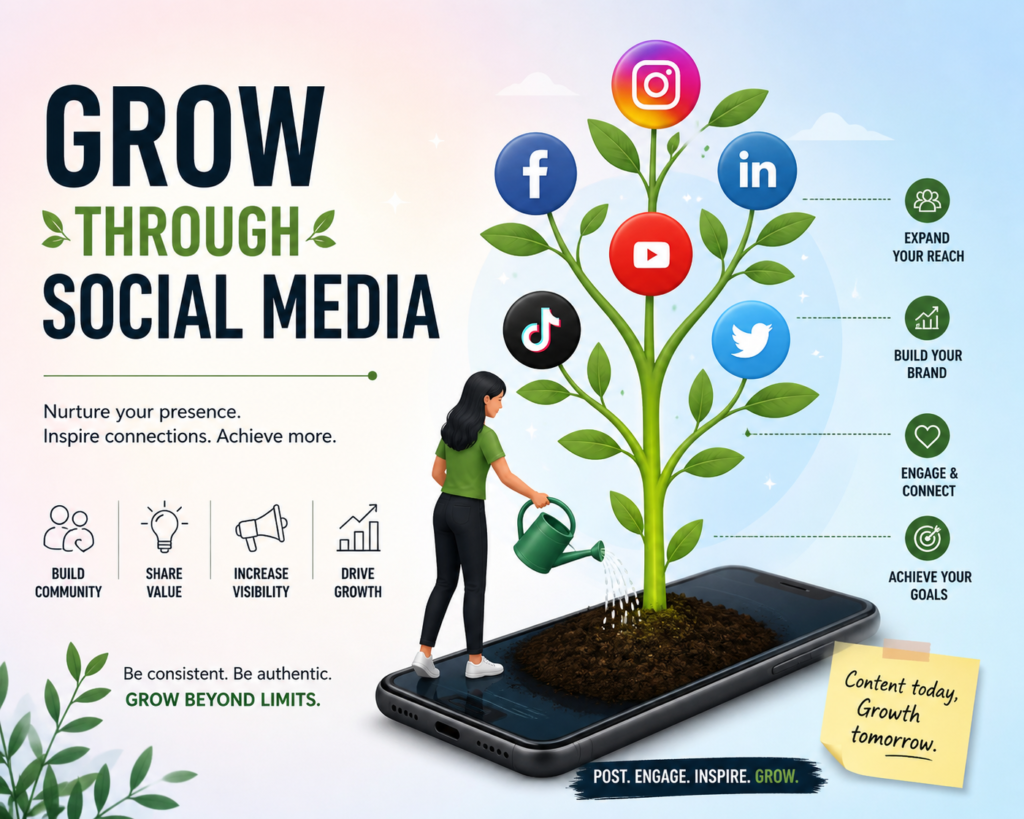
Social media is one of the most cost-effective marketing tools available to small businesses. With zero advertising spend, a well-managed social presence can drive real customer engagement.
The best platforms for small businesses are:
- Facebook — ideal for reaching a local audience and running targeted ads
- Instagram — perfect for showcasing products through photos and short reels
- WhatsApp — an effective, personal tool for direct customer communication
Post product photos, behind-the-scenes content, customer testimonials, and seasonal offers regularly. Remember: consistency matters far more than perfection. One good post a day beats a perfect post once a month.
4. Start Selling Online (E-Commerce)
Why limit your sales to your local area when you can sell to the entire country — or even the world? E-commerce platforms allow you to list your products and start receiving orders 24 hours a day, seven days a week.
In India, platforms like Amazon and Flipkart offer massive reach and built-in trust. Listing your products there gives you access to millions of active shoppers, greater brand visibility, and the ability to scale your sales without a physical expansion.
5. Learn Basic SEO (Search Engine Optimisation)
SEO — Search Engine Optimisation — is the practice of making your website more visible on Google. When done well, it brings in free, consistent traffic from people who are already searching for what you offer.
You do not need to be an expert. Start with these simple steps:
- Use keywords that your customers actually search for
- Write short, helpful blog posts that answer common questions
- Add clear, detailed product or service descriptions to your website
- Include local keywords, such as your city or area name (e.g., “best computer institute in Gurugram”)
SEO takes time, but it compounds. A blog post written today can continue bringing visitors to your website for years.
6. Run Low-Budget Online Ads
While SEO grows slowly and organically, paid advertising delivers fast results. Even a modest budget of ₹100 per day can bring genuine customers to your business.
Google Ads are great for capturing people who are actively searching for your product or service. Facebook and Instagram Ads are highly effective for building local awareness and reaching specific demographics. Use both together for the best results — SEO for long-term growth, ads for an immediate boost.
7. Collect Customer Contacts — Your Most Valuable Asset
Social media algorithms change. Ad costs rise. But a list of your own customers — their email addresses and phone numbers — is an asset you control completely.
Make it a habit to collect contact details at every opportunity: at the point of purchase, through your website, or with a simple sign-up incentive like a discount.
Once you have that list, use it wisely. Send out offers, new product announcements, festival discounts, and personalised messages. Repeat customers are far more profitable than new ones, and direct communication builds the loyalty that keeps them coming back.
Final Thoughts
Growing your small business online does not have to be complicated or expensive. It comes down to being visible, consistent, and helpful — showing up where your customers are looking, posting regularly, and always providing genuine value.
The simple formula for online growth:
Website + Google + Social Media + Online Selling + SEO + Ads = Growth
You do not need to do everything at once. Start with one or two steps, get comfortable, and then add more. Small, consistent actions compound into big results over time.
The businesses that succeed online are not necessarily the biggest — they are the ones that show up consistently. Start today, stay consistent, and the growth will follow.